
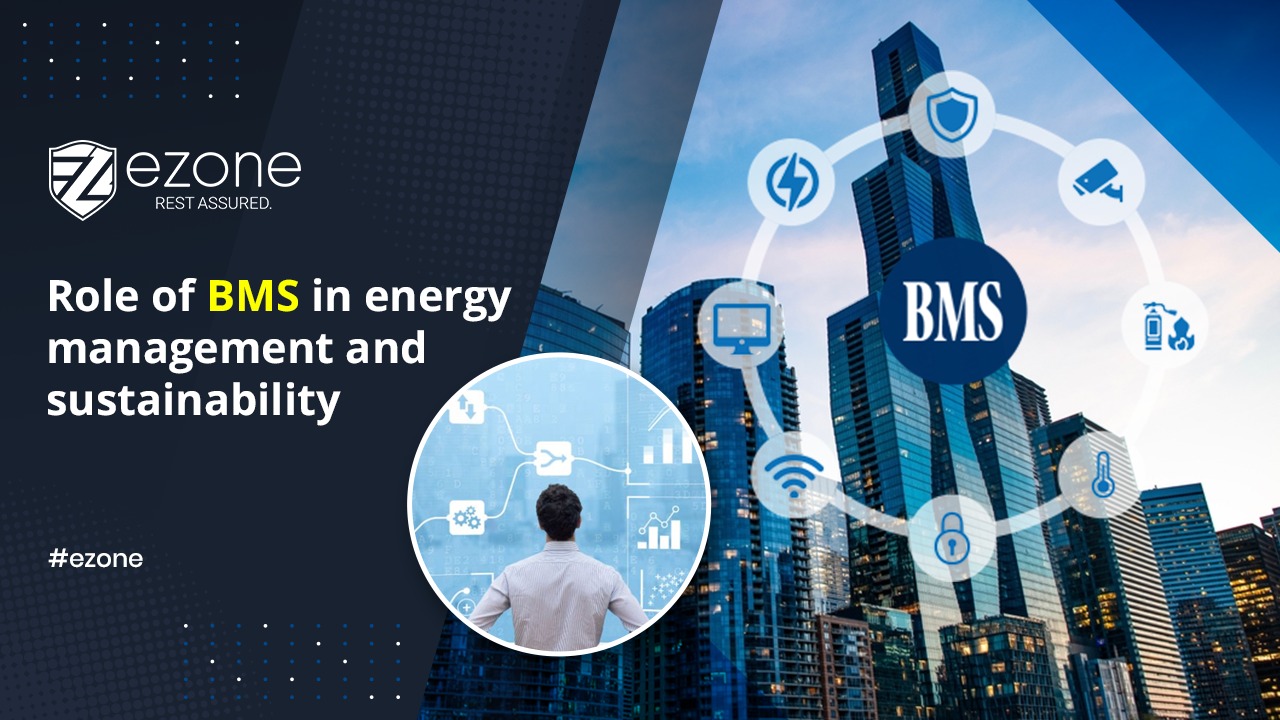
Energy consumption in buildings is no longer just a utility concern. For facility owners and managers, it directly affects operating costs, compliance, asset life, and long-term sustainability goals.
Energy usage leads to inefficiencies that quietly compound over time. This is where a Building Management System (BMS) plays a critical role.
A BMS provides a unified operational view of building services. Instead of HVAC, lighting, power distribution, and other systems working in isolation, they are monitored and controlled through a common platform. This allows facilities teams to understand how energy is actually being used across the building, rather than relying on monthly bills or manual checks.
Visibility into Actual Energy Usage
One of the biggest challenges in energy management is the lack of real visibility. Many buildings consume excess energy because no one can see where the losses are occurring. A BMS changes this by continuously tracking parameters such as temperature, runtime, load patterns, and system performance across zones.
For example, air-conditioning systems often run at full capacity even in partially occupied areas. With BMS-based monitoring, facility teams can immediately identify such patterns and correct them by adjusting scheduling, zoning, or control logic. The result is reduced wastage without affecting comfort.
Smarter Control of HVAC and Lighting
HVAC and lighting together account for a major portion of a building’s energy consumption. Manual operation or fixed schedules often lead to overuse. A BMS enables these systems to respond to actual conditions inside the building.
Temperature settings can be adjusted based on occupancy, time of day, or seasonal requirements. Lighting can be regulated based on usage patterns rather than remaining switched on by default. Over time, these small adjustments contribute to significant energy savings while maintaining consistent indoor conditions.
Managing Peak Loads and Power Demand
Energy costs are not only determined by how much power is consumed, but also by when it is consumed. Sudden peaks in demand can increase electricity charges and strain the electrical infrastructure. A BMS helps manage this by sequencing equipment operation and distributing loads more evenly.
By avoiding unnecessary simultaneous start-ups and optimising equipment cycles, buildings can reduce peak demand charges and operate more efficiently. This is especially important in large facilities where multiple high-load systems operate together.
Equipment Health and Maintenance Efficiency
Energy loss often comes from equipment that is not operating as it should. Chillers, pumps, motors, or air handling units that are poorly maintained consume more power over time. A BMS provides early indicators of performance deviation, allowing maintenance teams to act before efficiency drops significantly.
This approach reduces unplanned downtime, improves system lifespan, and ensures that equipment continues to operate within its designed efficiency range. From an energy perspective, well-maintained systems consistently consume less power than neglected ones.
Supporting Sustainability Goals
Sustainability is no longer limited to using renewable energy. It also involves using available energy responsibly. By reducing wastage and improving system efficiency, a BMS directly contributes to lowering a building’s carbon footprint.
When renewable energy sources such as solar power are integrated, a BMS helps coordinate consumption with generation. This allows facilities to maximise the use of clean energy while minimising dependency on conventional power sources.
Additionally, accurate data generated by a BMS supports sustainability reporting, audits, and long-term planning. Decisions are based on actual performance data rather than estimates.
Balancing Comfort with Efficiency
Energy efficiency should never compromise occupant comfort. A properly implemented BMS ensures stable environmental conditions while minimizing unnecessary energy use. Temperature, ventilation, and air quality can be maintained at optimal levels based on real needs rather than assumptions.
This balance is especially important in environments such as hospitals, offices, and educational institutions, where comfort directly impacts productivity, health, and safety.
Centralised Operations and Long-Term Value
From an operational standpoint, a BMS simplifies facility management. Centralised dashboards reduce the need for manual intervention, streamline troubleshooting, and make large or multi-site facilities easier to manage.
Over time, the value of a BMS extends beyond immediate energy savings. It supports better planning, informed upgrades, and scalable infrastructure that can adapt to future requirements without major overhauls.
Conclusion
The role of a Building Management System in energy management and sustainability is practical, measurable, and long-term. It helps buildings operate more efficiently, reduces avoidable energy loss, supports sustainability objectives, and improves overall operational control. For facilities looking to manage energy responsibly while maintaining performance and comfort, a BMS is no longer an add-on — it is a foundational requirement.
🔗 Visit www.ezonesecurity.com to learn how we can help you design a smarter, scalable BMS for your facility.
Call us at +91 98483 98483 or visit www.ezonesecurity.com for more info.